
Can Pipes Freeze and Burst in Your Southern Arizona Home?
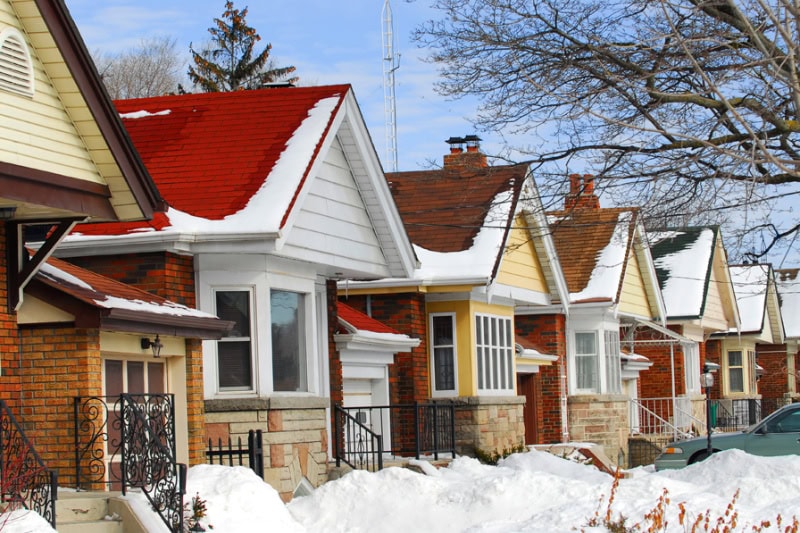
Our mild winters in the Greater Tucson area rarely get cold enough to compromise the pipes in your home plumbing system.
It’s easy to dismiss frozen pipes as an “up north” problem in states with extreme winter temperatures. But even in the Sonoran Desert, we occasionally experience cold snaps with temperatures that can tumble below 32°F. It’s rare, but when it does happen, it may put your home’s plumbing at risk.
Your home’s plumbing is vulnerable to freezing, especially if it was not designed for sustained cold temperatures, during a cold snap in Oro Valley.
Trust Temperature Control for Your Plumbing Needs
Just one frozen and burst pipe can cause thousands of dollars in water damage when it thaws. As your trusted local HVAC and plumbing experts, the team at Temperature Control wants to help you prepare and protect your plumbing for potential freezes.
We are the Greater Tucson area’s one-stop shop for all things HVAC, plumbing, and electrical. We have served our business and residential neighbors for more than 40 years with heating and cooling system installations, drain cleaning, fixture replacements, electrical panel upgrades, rewiring, lighting improvements, and more.
We work with new construction and existing homes and buildings.
You are in good hands with our licensed and certified plumbers, whether you need a new water heater or sewer line cleaning. We do it all, including the occasional burst pipe.
Why Do Pipes Freeze and Burst?
The highest risk for your plumbing is when the outdoor temperature falls below 32°F, the official freezing point for water. However, your pipes won’t freeze immediately. It takes time for the cold to penetrate your home’s walls and chill the water in the pipes.
The risk for freezing escalates when the temperature drops to 20°F and below for several hours. At this point, your home may lose heat too quickly for uninsulated pipes to handle, which can lead to freezing.
Granted, we don’t experience many 32° low temperatures, but on a windy, cold January night, exposed pipes in unheated garages, basements, crawl spaces, and exterior walls can quickly drop into the freezing territory.
Water inside the pipe freezes, creating an ice blockage and exerting pressure on the pipe walls. The blockage traps unfrozen water, which puts even more pressure on the pipe. Eventually, the pipe may burst at its weakest point. You may not be aware of the damage until the pipe thaws and the ice melts, releasing pressure and water through a crack.
Preventing Frozen Pipes in Oro Valley
Prevention is the best defense against burst pipes. Unlike houses in colder regions, many Tucson homes were not built with deep-freeze protection, and they often have plumbing in uninsulated attics and walls. A few simple steps can prevent a plumbing disaster.
DIY Pipe Protection
Faucets: Opening interior faucets to a slow, thin stream of water will keep water moving, which slows the freezing process and relieves pressure buildup.
Open Cabinets: Open the doors on cabinets under kitchen and bathroom sinks, especially if they are on exterior walls, allowing warmer indoor air to circulate near the pipes.
Insulate Hose Bibs: Disconnect all outdoor hoses and drain them. Then, cover outdoor spigots with foam faucet covers available at hardware stores. The foam covers help protect exposed outdoor plumbing.
Maintain the Heat: Set the thermostat to at least 55°F, even if you leave your home unoccupied for a few days.
Professional Plumbing Upgrades
DIY steps are practical for a quick cold snap, but a professional plumber can offer permanent peace of mind.
Pipe Insulation: Our Temperature Control team can properly wrap exposed pipes in unheated areas, such as garages, attics, and crawlspaces, with professional-grade foam sleeves.
Relocation: For severe cases, pipes that run along an uninsulated exterior wall can be moved further inside the wall cavity or rerouted to a less vulnerable location.
Which Pipes Are Safer?
All pipes can freeze, but their ability to withstand the pressure varies:
* PEX (Cross-linked Polyethylene): PEX is a flexible plastic tubing that is significantly more resistant to bursting than rigid pipes. It can expand to accommodate the ice and often return to its original shape when thawed, making it an excellent choice for repairs or repiping.
* Copper: Copper is rigid and loses heat quickly. It’s the most likely material to split when ice pressure builds up, often resulting in a long, costly crack.
* CPVC/PVC: These plastics also become brittle in extreme cold, making them prone to fracturing under pressure.
Which Locations Guard Pipes From Freezing?
The least likely pipes to freeze are those running through interior walls, basements, or areas with consistent heat. The most vulnerable spots in a Tucson home are lines running through exterior walls, garages, attics, crawl spaces, and to outdoor hose bibs.
Take Steps to Protect Your Plumbing in Oro Valley
As your local experts, we have the experience and knowledge to assess your plumbing system’s unique vulnerabilities to the cold. Our Temperature Control plumbing experts can recommend tailored solutions and promptly install the safeguards that prevent pipes from freezing. Call us at 520-201-5414 or request service online before the next cold snap to schedule a professional plumbing check-up.