
Why It Pays to Flush Your Tucson Water Heater Before Winter
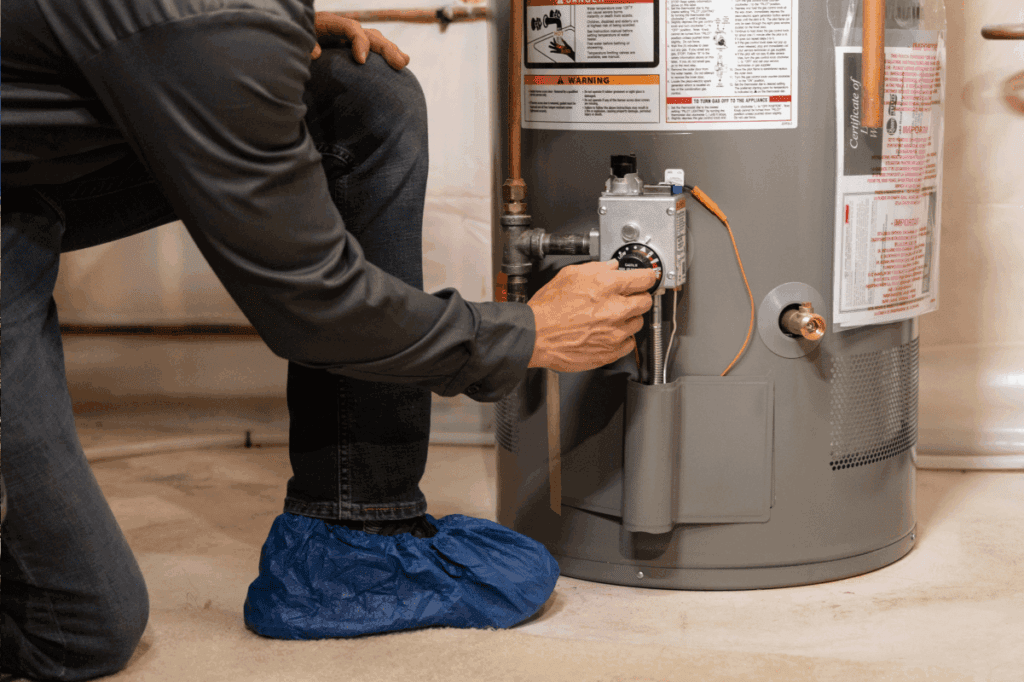
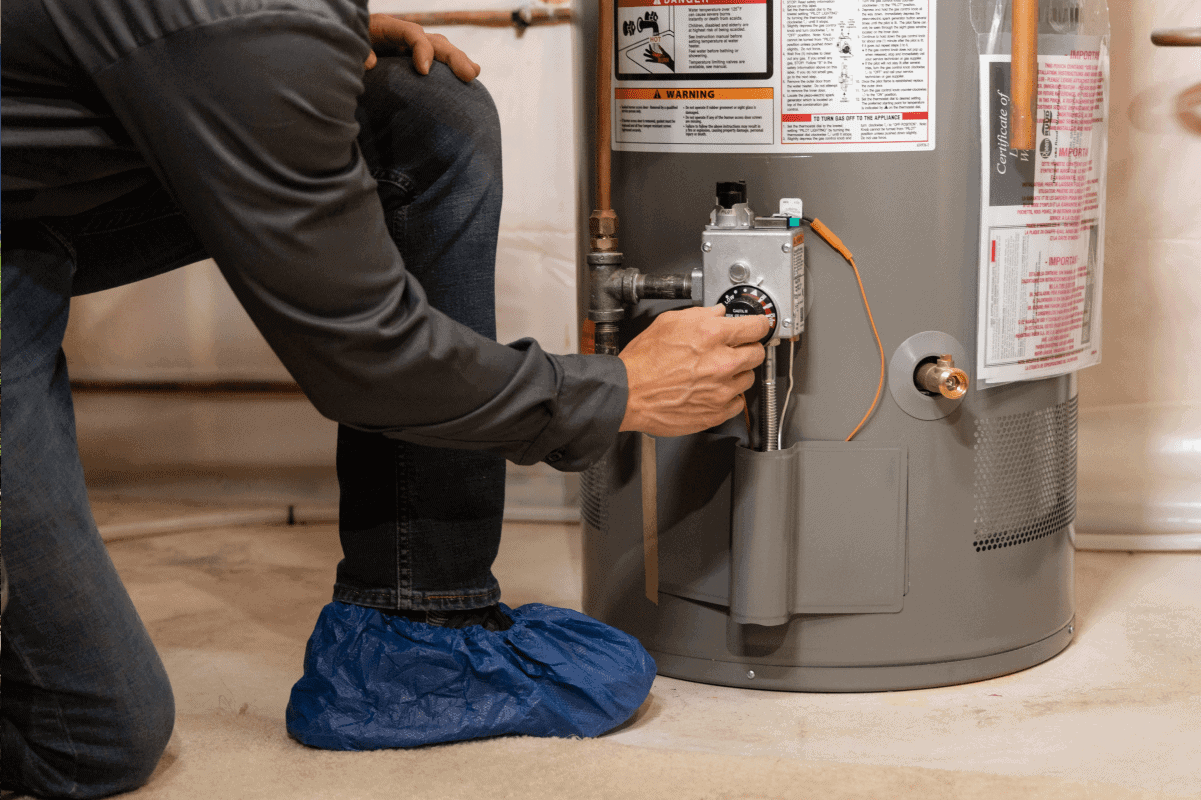
When you think about getting your Tucson home ready for winter, you probably think about checking your heating system, sealing drafts, and preparing your outdoor plumbing for cooler temperatures.
But there’s another important task you shouldn’t overlook: flushing your water heater.
Over time, minerals and sediment from Tucson’s hard water settle at the bottom of the tank, forcing your system to work harder to deliver the hot water your family depends on. The result? Higher utility costs, lower performance, and unnecessary wear and tear.
Scheduling a water heater flush in Tucson with Temperature Control is a simple way to stay ahead of repair problems. Even better, taking care of this annual maintenance task before the winter rush of emergency calls makes scheduling more convenient for you.
Why Does Your Water Heater Need Flushing?
Your water heater works behind the scenes every day, supplying hot water for showers, laundry, dishwashing, and other household tasks. Because it operates so consistently, it’s easy to forget that it needs routine maintenance to keep performing efficiently.
In a traditional tank-style water heater, cold water enters the tank and is heated by a gas burner or electric heating elements. As water heats, naturally occurring minerals can separate and settle at the bottom of the tank. Over time, these minerals combine with other debris to form a layer of sediment.
Tucson’s hard water makes sediment buildup an especially important consideration for local homeowners. The more mineral deposits accumulate, the more difficult it can become for your water heater to transfer heat efficiently.
Flushing the tank helps remove this accumulated sediment before it causes bigger problems. Although the exact maintenance schedule depends on your water quality, water heater type, and manufacturer recommendations, annual maintenance with Temperature Control is a useful starting point for many households.
5 Benefits of Flushing Your Water Heater Before Winter
Why schedule this service with Temperature Control before temperatures drop? Here are five ways routine water heater maintenance can benefit your home.
1. Improve Energy Efficiency
When sediment collects at the bottom of a tank-style water heater, it can interfere with heat transfer. Gas water heaters may need to heat through a layer of sediment, while electric models can experience reduced efficiency when mineral deposits accumulate around their heating elements.
As a result, your system may use more energy to heat the same amount of water.
Flushing the tank removes loose sediment and helps the water heater operate as intended. While the amount of energy you save depends on the condition and design of your system, keeping up with maintenance can help avoid unnecessary energy waste.
With cooler weather approaching and household hot water use possibly increasing with kids home from school or guests in town for the holidays, maintaining an efficient water heater is a practical way to help manage utility costs.
2. Help Prevent Unexpected Repairs
Few things disrupt a winter morning like hot water running out mid-shower or discovering that your water heater isn’t keeping up with demand.
Sediment buildup can contribute to unusual noises, reduced heating performance, and additional strain on certain water heater components. In gas models, heavy accumulation can interfere with heat transfer at the bottom of the tank. In electric models, mineral deposits may affect heating elements.
Routine flushing can help address sediment before it becomes a more significant concern. It also gives a plumbing professional from Temperature Control an opportunity to check the system for visible signs of wear, leaks, corrosion, or other potential issues.
Keep in mind that flushing isn’t a cure-all. It won’t fix every mechanical problem, and heavily neglected or aging water heaters may need additional service. Still, preventative maintenance can help identify developing issues before they turn into inconvenient breakdowns.
3. Maintain Consistent Hot Water
Have you noticed that your hot water doesn’t seem to last as long as it used to? Or perhaps your water heater takes longer to recover after multiple showers.
Sediment accumulation may be one contributing factor.
As deposits build up, they can reduce the usable capacity of a tank or interfere with efficient heating. Depending on the amount of buildup and the condition of the system, you may notice changes in hot water availability or performance.
Flushing your water heater helps remove loose sediment, supporting more reliable operation. This can be particularly helpful during busy mornings, when several family members need hot water for showers, breakfast cleanup, and other daily routines.
If your hot water supply has noticeably declined, however, don't assume sediment is the only cause. A failing heating element, thermostat issue, undersized unit, or other problem may also be responsible.
4. Reduce Noises Caused by Sediment
Does your water heater occasionally make popping, rumbling, or crackling sounds? In a tank-style water heater, these noises can occur when water becomes trapped beneath sediment and produces bubbles as it heats. The sounds may become more noticeable as mineral deposits accumulate.
While an occasional noise doesn’t automatically mean your water heater is failing, persistent or worsening rumbling is worth investigating.
Flushing may help reduce sediment-related noises by removing loose deposits from the tank. A professional inspection can also help determine whether the sounds point to another issue that needs attention.
If your water heater has been making unusual noises for a while, scheduling service before winter is a sensible step toward understanding what’s happening.
5. Support Your Water Heater’s Long-Term Performance
Replacing a water heater is a significant household expense, so it makes sense to take care of the equipment you already have.
Mineral buildup is one of several factors that can affect water heater performance over time. Regular maintenance helps keep deposits under control and gives a professional the opportunity to identify potential problems early.
However, flushing alone cannot guarantee a longer service life. Water quality, installation, operating conditions, corrosion, and the age of the unit all influence how long a water heater lasts.
The goal is to give your equipment the maintenance it needs rather than waiting until a major problem develops. A consistent maintenance routine can help you make more informed decisions about repairs, replacement timing, and overall system care.
Can You Flush Your Water Heater Yourself?
Some homeowners choose to flush their own water heaters, but it’s important to understand the risks before attempting the job.
Water inside the tank can be extremely hot, and improper draining or handling can cause burns. Incorrectly operating the drain valve, failing to shut off the appropriate energy source, or restarting a system before it’s properly refilled can also cause damage.
If your water heater is older, has a malfunctioning drain valve, or has significant sediment buildup, flushing it without professional guidance may create additional problems. In some cases, heavy sediment can make draining difficult, and disturbing an older unit may reveal existing weaknesses.
A licensed plumbing professional from Temperature Control can determine whether flushing is appropriate for your system, follow the manufacturer’s maintenance recommendations, and inspect the equipment for signs of trouble.
Does a Tankless Water Heater Need Flushed?
Tankless water heaters should be flushed regularly to maintain efficiency and extend their lifespan. Even though tankless units heat water on demand and don’t store it, minerals can build up inside the heat exchanger over time.
This scale accumulation is especially common in Tucson, due to our hard water, and can reduce heating performance, increase energy consumption, and potentially lead to costly repairs.
During the flushing process, a descaling solution is circulated through the system to dissolve mineral deposits and restore proper water flow. This simple maintenance task helps the unit operate more efficiently, deliver consistent hot water, and prevent unnecessary strain on internal components.
If you notice reduced water pressure, fluctuating water temperatures, or unusual system error codes, mineral buildup could be the cause. Scheduling annual flushing service is one of the best ways to protect your investment and keep your tankless water heater performing reliably for years to come.
Schedule Your Water Heater Flush
Don’t wait until you run out of hot water to give your water heater some attention. Contact Temperature Control to schedule water heater maintenance in Tucson and help prepare your plumbing system for the colder months ahead. Call us at 520-367-3894 or request service online.