
Protect Your Arizona Home Against Summer Heat and Storms With Smart Solutions
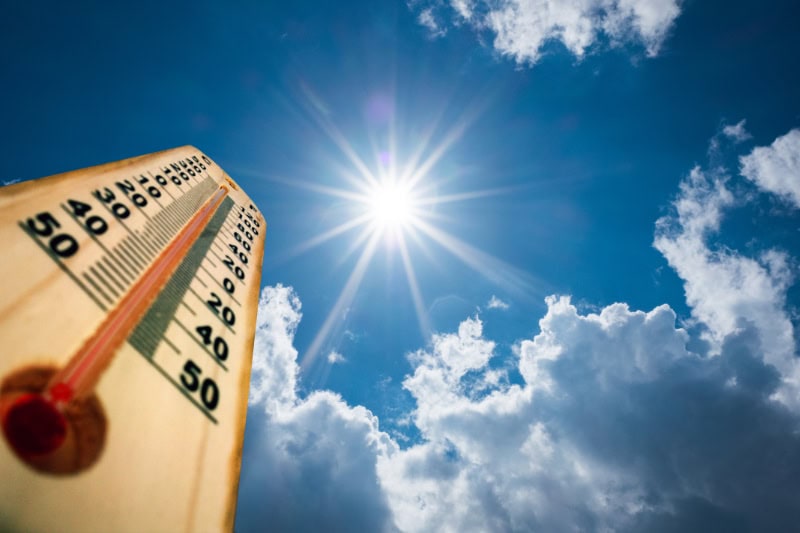
The Sonoran Desert—from its spectacular sunsets to saguaro-filled landscapes to the exotic wildlife that calls it home—is a tourist’s dream vacation.
But for those of us who live in Greater Tucson full-time, we know desert living has its practical side, which can be challenging, especially when summer brings triple-digit heat waves and monsoon storms.
At Temperature Control, we know it takes more than air conditioning to survive summer in Pima County. We have spent years helping our neighbors in Tucson, and nearby communities develop comprehensive strategies for their HVAC units, plumbing, and electrical systems—the key to maintaining a steady, comfortable indoor environment in a desert climate.
Summer and monsoon seasons test the endurance of every comfort system in your Tucson home, but by integrating smart HVAC, electrical, and plumbing solutions, you can effectively manage the heat, keeping it out of your home and the savings in.
HVAC Solutions for Sonoran Desert Comfort
In Tucson, your air conditioner is your summer life-support system. During a sustained heat wave, it might run for 12 to 18 hours a day, but without consistent professional care, the extra strain might affect its performance.
An annual spring tune-up rejuvenates your AC system and prepares it for those long summer days.
Schedule a Checkup for Your AC in Tucson
Homeowners who wait for a breakdown before calling a technician play a dangerous game. In 2023, for example, there were 176 heat-related deaths in Pima County.
A professional spring tune-up is the most effective way to ensure your system can handle spiking summer temperatures. During a maintenance visit, our Temperature Control technicians check refrigerant levels, tighten electrical connections, and clean the condenser coils, which often become choked with dust and debris.
Duct Sealing Eliminates Leaks
You could have the most efficient AC unit in Southern Arizona, but if your ductwork is leaking, cool air is escaping into your attic, where you don’t need it. ENERGY STAR® estimates that the average home loses 20 to 30 percent of its air through holes and poor connections in the duct system.
Professional duct sealing ensures that the chilled air in your home cools your living space. For a DIY check, look for disconnected ductwork segments in accessible attic spaces or dust patterns around your vents, which can indicate air is being pulled from the attic into the airflow.
Cooling Strategies That Save You Money
A smart thermostat, like the ones in the Lennox iComfort® series or the Trane ComfortLink® options, can learn your schedule and automatically raise the temperature a few degrees while you’re out, then cool the house back down just before you arrive. It also lets you control indoor temperatures at home from anywhere through a smartphone app.
Consistently replacing dirty air filters is another strategy that can improve efficiency and save on equipment wear.
Check filters monthly and, if your system uses standard 1-inch filters, consider swapping them out during the peak of summer. Higher efficiency filters typically last from six months to a year, but in extreme heat, it’s worth inspecting them more often.
A dirty filter restricts airflow, forcing the blower motor to work harder and potentially causing the evaporator coils to freeze over, even in triple-digit temperatures.
Electrical Upgrades That Enhance Arizona Living
The combination of extreme temperatures and lightning-heavy storms creates a volatile environment for your home’s electrical system. Manage the load with upgrades and a thorough inspection.
Install a Smart Panel in Your Tucson Home
As we move toward whole-home electrification, the addition of EV chargers, electrical appliances, and high-efficiency heat pumps stresses home electrical panels. A smart electrical panel monitors each circuit in real time, helping you to prioritize which are essential. It can also turn off nonessential circuits when power usage is near capacity, and it helps you see which appliances use the most electricity in your home.
Why You Need Surge Protection
Lightning strikes during monsoon season or power fluctuations during a heat wave can fry sensitive electronics in a flash. Although individual power strips help protect some items, they aren't enough for major appliances, HVAC units, and entertainment equipment.
One of our Temperature Control electricians can install a whole-home surge protector directly at your main panel to stop voltage spikes before they reach your home’s wiring.
Protect Your Outdoor AC Unit
Extreme heat can degrade the insulation on your electrical wiring over time. During a professional inspection, we look for brittle wires near your outdoor condenser. Catching them early prevents electrical shorts that can lead to system failure.
At Temperature Control, we recommend an electrical inspection every one to five years, with older homes at the more frequent end of the range. Consider an inspection after severe monsoon storms or whenever you notice red flags, such as flickering lights and breakers that constantly trip.
How Heat Affects Plumbing in Desert Climates
In Pima County, high temperatures can affect pipes and water-using appliances. Heat causes pipes, and the water inside them, to expand. If your water heater is located in a hot garage, the internal pressure can climb to dangerous levels during a heat wave.
Insulating pipes in exposed areas, such as attics and garages, can help protect plumbing from heat, and installing pressure-reducing valves can help regulate water pressure.
Red Flag for Your Thermal Expansion Tank
This small tank, usually located above your water heater, handles pressure. If yours is failing or missing, you might notice leaking from the temperature and pressure relief valve.
Installing a Pressure Monitor and Leak Detector
A smart water pressure monitoring system, like LeakSecure, can monitor pressure 24/7, detect leaks, and automatically shut off your water supply. It tracks humidity, flow, and temperature, along with pressure, and notifies you of abnormal issues via a smartphone app.
Shifting Soil and Hot Plumbing
At many Tucson-area homes, water lines for outdoor fixtures and sprinkler systems run through shallow soil, where they are more exposed to the heat. You can help combat this issue by insulating exposed piping to pool pumps, hot tubs, and outdoor spigots to provide a thermal barrier against the summer sun.
Dry heat also causes the soil to contract and move away from your home’s foundation, often stressing the main water line entering your home. Maintaining a consistent moisture level around the foundation can prevent the soil from drying out and shifting.
A drip line, installed at least 12 inches from the foundation, can keep the soil moist—not saturated—so it doesn’t shift. Water a few times weekly from 15 minutes to an hour, depending on soil condition. Sandy soil drains water quickly and requires less frequent watering. Clay soil shrinks significantly and requires more frequent watering. Approximately 6 inches of soil beneath the surface should be moist—not flooded.
Let Temperature Control Protect Your Home Comfort
Protecting your home from Arizona’s extreme heat requires an ongoing commitment to maintenance and smart technology. By integrating professional HVAC tune-ups with smart electrical and plumbing monitors, you can enjoy the beauty of the Sonoran Desert without the stress of a mid-summer emergency.
At Temperature Control, we provide the AC repair Tucson homeowners trust during record-breaking heat waves. We live and work in extreme heat and summer thunderstorms—and we know exactly how to handle them. Whether you need an AC tune-up in Tucson, a smart panel upgrade, or a plumbing inspection, call us at 520-815-5665 or request service online.